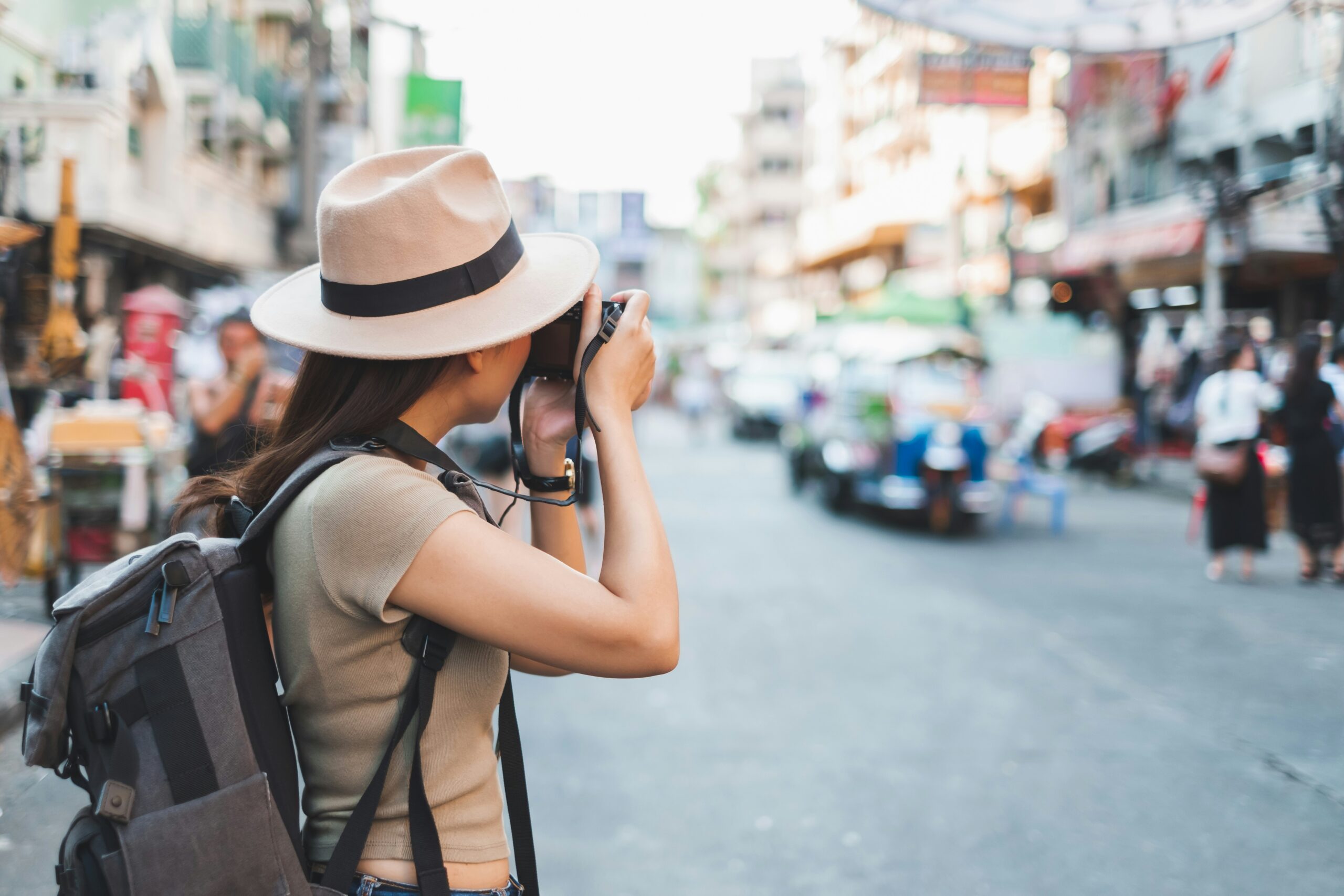
Traveling with your camera can transform a simple trip into a collection of unforgettable memories. Whether you are visiting bustling cities, serene beaches, or historical landmarks, having a camera allows you to document your experiences and share them with friends, family, or online audiences. Tourist photography is not just about pointing and shooting; it requires planning, observation, and creativity to capture a place’s essence while staying relaxed and enjoying your trip.
Many travelers focus on destinations, but the way you photograph your journey can enhance your memories. A well-composed photo shows more than what the eye sees. It conveys the mood, culture, and feeling of being in a new environment. By following some practical tips, tourist photographers can make the most of every moment and every shot.
Choosing the Right Camera Gear
When traveling, the camera you bring can make a big difference. Lightweight DSLR or mirrorless cameras offer high quality without the bulk of professional gear. If you prefer simplicity, modern smartphones also take excellent photos and let you share quickly. Think about your travel style and what gear you can comfortably carry all day.
Additionally, consider your lenses and accessories. A versatile zoom lens reduces the need for multiple lenses while giving you flexibility. Carry extra memory cards and batteries to avoid missing shots. A small tripod can be helpful for low-light or long-exposure shots, but balance convenience and portability. By choosing gear thoughtfully, you can enjoy photography without feeling weighed down.
Planning Your Shots Ahead
Even if you love spontaneous photography, planning can improve your results: research locations and times of day for the best lighting and angles. Sunrise and sunset offer soft, warm light that enhances landscapes and cityscapes. Planning helps you avoid crowds and ensures your shots capture the atmosphere you want.
Moreover, thinking about composition before you arrive saves time and energy. Look for interesting perspectives, leading lines, and frames within the environment. This preparation allows you to capture meaningful images rather than rushed snapshots. With a little planning, your photos tell a stronger story about your travels.
Staying Safe and Secure
Traveling with camera gear requires awareness of safety. Keep your equipment close and secure, especially in crowded tourist areas. Use camera straps and bags that discourage theft. Some travelers choose to travel light, carrying only essentials to minimize risk.
In addition, be mindful of local regulations and cultural sensitivities. Some places restrict photography of people, religious sites, or government buildings. Respecting these rules keeps you safe and ensures you can enjoy photography without trouble. Safety and awareness help you focus on capturing great images instead of worrying about your gear.
Shooting Like a Tourist Photographer
Tourist photographers often face unique challenges, including crowds, harsh lighting, and limited time. To capture the best shots, look for moments that feel authentic rather than staged. Pay attention to people, street life, and local details that show character and culture.
Use foreground elements or reflections to create depth in your images. Zoom in on architectural details or local markets to provide variety. By being observant and creative, you make your travel photos more than simple souvenirs; they become visual stories that reflect the trip’s spirit.
Managing Light in Different Conditions
Light changes quickly during travel, so learning to manage it is crucial. Early mornings and late afternoons provide softer light, reducing harsh shadows. Midday sun can create a strong contrast, but you can use shade or reflections to balance exposure.
For indoor photography, adjust your camera’s ISO and aperture to avoid blurry images. Portable reflectors or small LED lights can improve indoor or low-light shots. By understanding and working with available light, your photos will capture both details and mood accurately.
Capturing People and Culture
Including local people in your travel photos adds life and context. Portraits and candid shots show daily life, traditions, and interactions. Approach respectfully, and ask permission when appropriate. A friendly smile or conversation can make capturing people easier and more genuine.
Additionally, focus on cultural elements such as festivals, crafts, and street performances. Capturing these moments tells a story beyond landscapes, making your photos richer and more memorable. People and culture give travel photography emotion and connection.
Organizing and Backing Up Your Photos
After a long day of shooting, it is important to back up your photos. Carry a portable hard drive, cloud storage, or memory card backups. Organizing files by date, location, or theme saves time when reviewing or editing later.
Keeping your images organized also helps with sharing and posting on social media or travel blogs. It prevents you from losing precious shots and lets you focus on the creative side of photography. A simple system keeps your workflow smooth and stress-free.
Editing and Sharing Your Work
Post-processing enhances your travel photos by adjusting exposure, color, and sharpness. Keep edits natural to preserve the location’s authentic feel. Cropping and minor adjustments can improve composition without altering the scene.
Sharing photos helps preserve memories and allows others to experience your journey. Social media, online galleries, or travel blogs are excellent ways to showcase your work. Thoughtful editing and sharing complete the process of traveling with your camera.
Traveling with your camera turns every trip into an opportunity for creativity, exploration, and memory-making. By choosing the right gear, planning shots, staying safe, and observing local culture, tourist photographers capture images that tell stories. Managing light, including people, and organizing photos ensures that your work remains both beautiful and meaningful. With care and attention, you can create travel photography that inspires and preserves the essence of every journey.