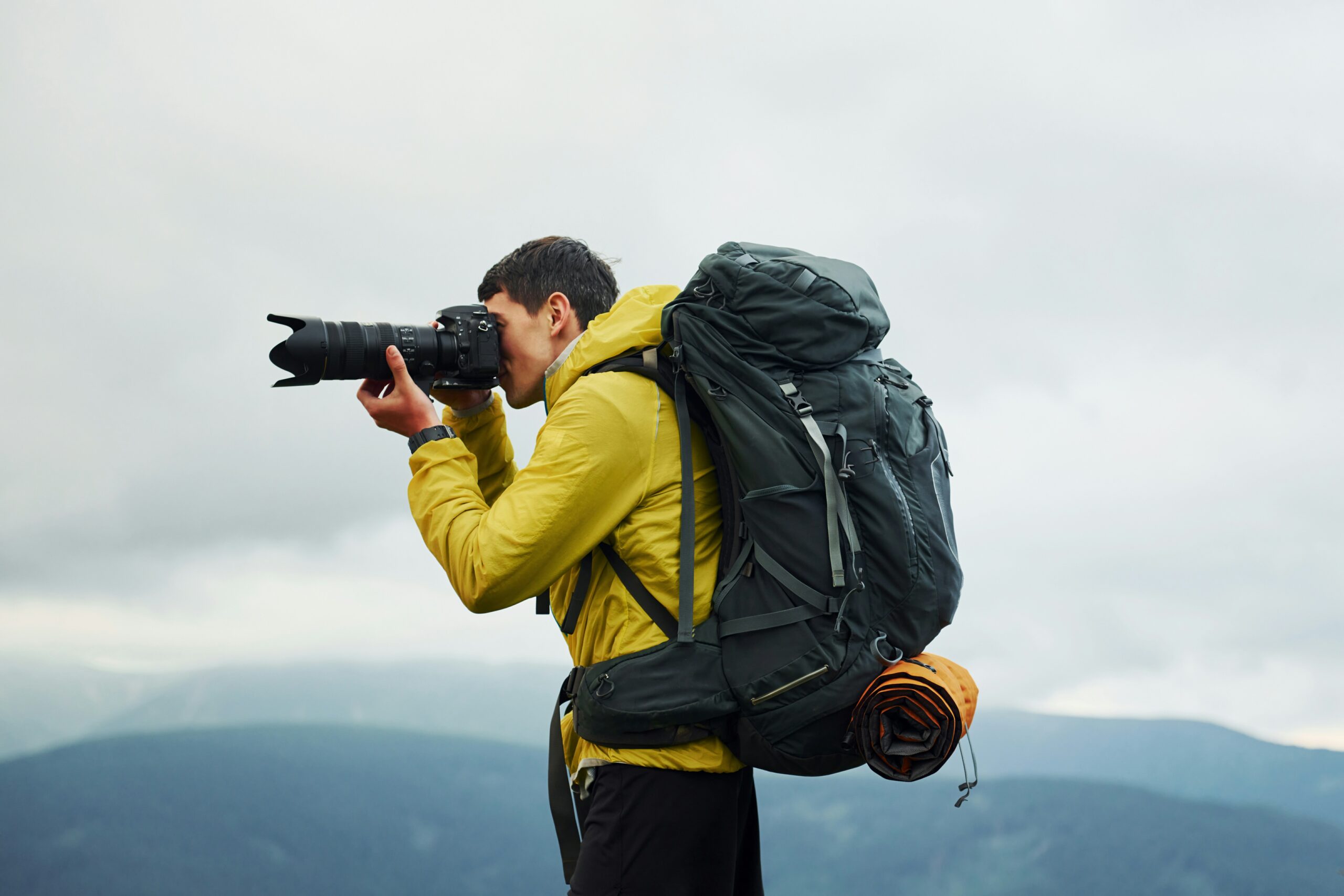
Traveling with your camera opens the door to unforgettable memories, stunning landscapes, and powerful stories. Whether you visit a busy city, a quiet mountain town, or a tropical beach, photography helps you capture moments that last forever. However, tourist photographers often face many challenges during trips. Heavy gear, changing weather, crowded attractions, and poor lighting can quickly ruin the experience if you fail to prepare properly.
Fortunately, smart planning makes travel photography easier and more enjoyable. You do not need expensive equipment or professional training to take impressive photos during your vacation. Instead, you need simple techniques, careful preparation, and creative thinking. This guide explains how tourist photographers can travel comfortably while protecting their camera gear and improving photo quality throughout the journey.
Choose the Right Camera Gear for Travel
Packing the right camera equipment makes a huge difference when traveling with your camera. Many tourist photographers carry too much gear because they fear missing the perfect shot. However, heavy bags quickly become uncomfortable during long walks, airport transfers, and sightseeing tours. Therefore, choosing lightweight and versatile equipment helps you stay relaxed and mobile throughout your trip.
A compact mirrorless camera often works better for travel than a large DSLR setup. In addition, one zoom lens usually covers most tourist photography needs. A lens with a flexible focal range allows you to capture portraits, landscapes, street scenes, and architecture without changing equipment often. Furthermore, carrying extra batteries and memory cards prevents frustration when you spend long hours away from your hotel or charging stations.
Protect Your Camera During Your Journey
Travel conditions can become rough for camera equipment. Dust, rain, heat, and accidental drops can quickly damage expensive gear. Therefore, protecting your camera should remain a top priority from the moment you leave home. A padded camera bag with weather resistance helps shield your equipment from sudden changes in weather and from the crowds on crowded public transportation.
Airport security also requires careful attention when traveling with your camera. Keep your gear organized so you can remove electronics quickly during screening. Additionally, avoid placing cameras in checked luggage because rough handling may cause serious damage or theft. Many tourist photographers also use small waterproof covers or dry bags when visiting beaches, waterfalls, or rainy destinations to keep their cameras safe throughout the trip.
Plan Photography Around Lighting Conditions
Lighting affects every photo you take while traveling. Even beautiful locations can look dull under harsh midday sunlight. Therefore, smart tourist photographers plan sightseeing activities around natural light conditions whenever possible. Early morning and late afternoon usually offer softer light, warmer colors, and fewer crowds, which significantly improve image quality.
Golden hour photography creates dramatic shadows and rich tones that make travel photos stand out. In contrast, strong afternoon sunlight often creates washed-out colors and deep shadows on faces and buildings. If you must shoot during midday, look for shaded areas or indoor locations with natural light from windows. Additionally, cloudy weather can work surprisingly well because clouds soften sunlight and reduce harsh contrast in your images.
Learn Simple Composition Techniques
Good composition often matters more than expensive equipment. Tourist photographers sometimes focus too much on famous landmarks while forgetting the basics of visual storytelling. Instead of taking quick snapshots from eye level, try different angles and perspectives to create more engaging travel photos. Moving a few steps left or right can completely change the balance of your image.
The rule of thirds remains one of the easiest ways to improve composition in photography. Position your subject slightly off-center to create a more natural and balanced look. Furthermore, leading lines such as roads, bridges, or fences help guide the viewer’s eye through the photo. Framing your subject with windows, trees, or doorways also adds depth and interest while traveling with your camera in busy tourist locations.
Capture Local Culture Respectfully
Travel photography becomes more meaningful when it includes people and local culture. However, tourist photographers should always respect local customs and personal boundaries. Before photographing someone directly, ask for permission whenever possible. A friendly smile and polite gesture often create positive interactions and more natural portraits during your travels.
Cultural awareness also helps you avoid uncomfortable situations while photographing religious sites, markets, or traditional ceremonies. Some locations may completely restrict photography, while others may charge small fees or require special permission. Therefore, researching local photography rules before your trip helps prevent misunderstandings. Respectful behavior not only protects your reputation but also creates better opportunities for authentic, memorable travel photography.
Keep Your Camera Ready at All Times
Many unforgettable travel moments appear suddenly and disappear within seconds. Street performers, wildlife encounters, dramatic sunsets, and unexpected cultural events rarely wait for photographers to prepare. Therefore, keeping your camera readily accessible lets you react quickly and capture spontaneous moments during your journey.
Instead of storing your camera deep inside your backpack, use a comfortable shoulder strap or quick-access camera bag. Moreover, check your settings regularly so your camera stays ready for changing conditions. Tourist photographers often miss great shots because they leave the wrong settings active after previous scenes. A quick habit of checking shutter speed, ISO, and focus mode can save many valuable images while traveling with your camera.
Manage Your Photos While Traveling
Losing travel photos can feel heartbreaking after an unforgettable trip. Therefore, backing up your images regularly remains essential for tourist photographers. Memory cards can fail unexpectedly, and cameras may become lost or stolen during travel. For this reason, carrying portable storage devices or using cloud storage services helps protect your work.
Organizing photos daily also saves time after returning home. Many photographers wait until the end of the trip, only to face thousands of unorganized images later. Instead, spend a few minutes each evening reviewing and sorting your favorite shots. Additionally, deleting blurry or duplicate photos during the trip helps free storage space and simplifies editing later.
Build Confidence Through Practice
Travel photography improves with experience and regular practice. Many tourist photographers feel discouraged when their early photos do not match professional images online. However, every photographer develops skills gradually through trial, observation, and learning from mistakes. The more you practice, the more comfortable and creative you become while traveling with your camera.
Experimenting with different settings, angles, and subjects helps you discover your personal photography style. Additionally, reviewing your own work critically allows you to identify areas for improvement after each trip. Over time, simple habits such as better composition, smarter lighting choices, and careful preparation will greatly improve your travel photography results. Most importantly, enjoying the process keeps photography fun and rewarding during every adventure.