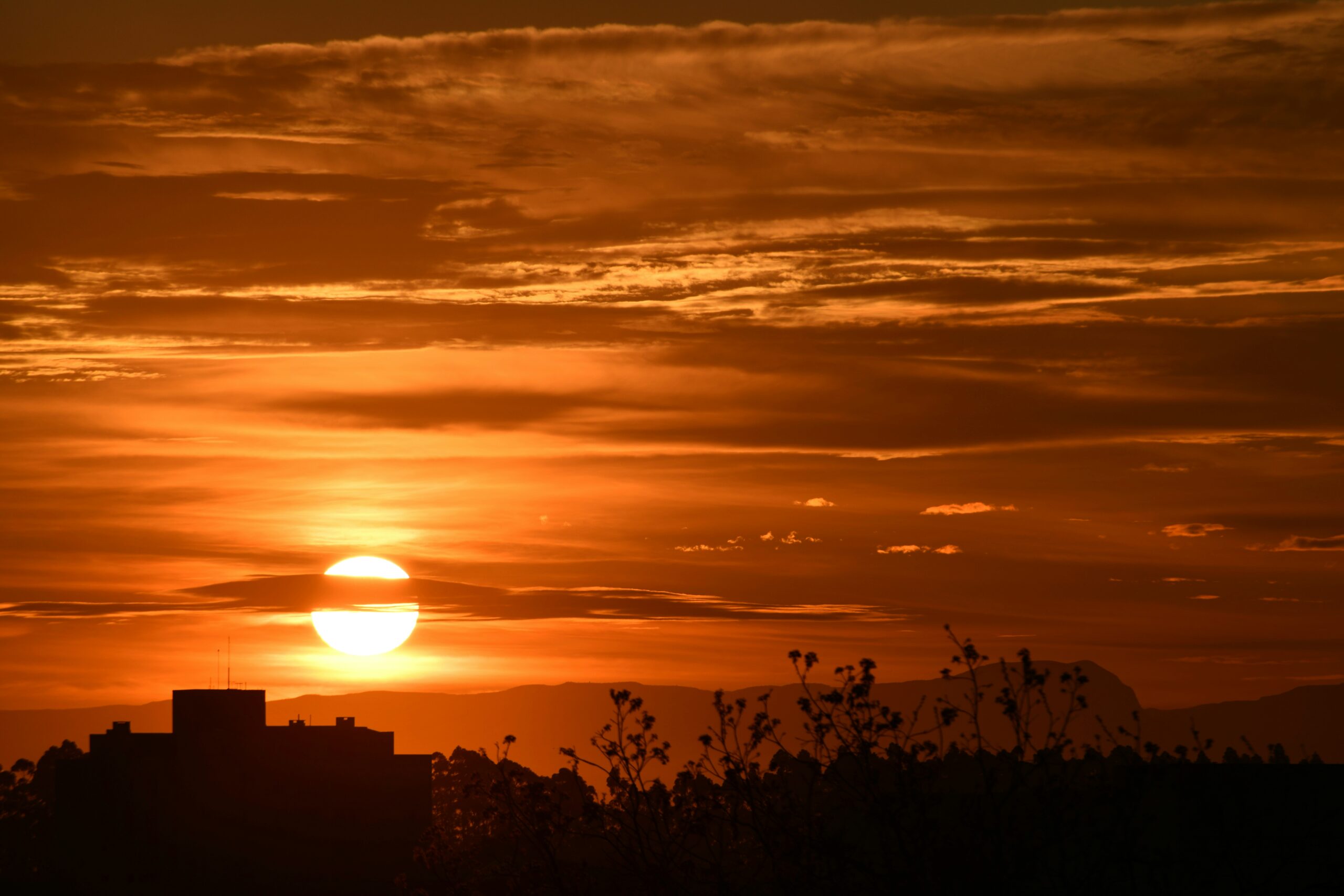
Sunset photography has a special charm that draws photographers outdoors every evening. As the sun nears the horizon, the sky fills with warm colors and soft light. This short period, often called golden hour, creates perfect conditions for beautiful photographs. The sunlight becomes gentle and warm, and landscapes glow with rich tones of orange, red, and gold.
Many people try to photograph sunsets but feel disappointed when their images do not match what they saw with their eyes. The secret to great sunset photos lies in preparation, observation, and careful use of the camera. When you understand how light behaves during golden hour, you can capture images that feel vibrant, calm, and visually striking.
Understanding the Beauty of Golden Hour
The golden hour occurs shortly before sunset. During this time, sunlight travels farther through the atmosphere before reaching the ground. This process softens the light and creates warmer colors across the sky and landscape. The result is a natural glow that adds depth and emotion to photographs.
This lighting also reduces harsh shadows and bright highlights. Midday sunlight can feel harsh and flat, often obscuring textures and details. Golden hour light spreads gently across surfaces, revealing patterns and shapes that make scenes look more dramatic and visually interesting.
Choosing the Right Location for Sunset Photography
A strong sunset photograph often begins with the right location. Places with a clear view of the horizon allow the sun to interact with the landscape in dramatic ways. Beaches, lakes, open fields, and hilltops are popular choices because they provide wide views of the sky.
Arriving early helps you study the environment and decide where to place your camera. Walk around the area and notice how the light falls on different elements in the landscape. Look for objects such as trees, rocks, or buildings that could add character to your photograph.
Preparing Your Camera Before the Sun Sets
Preparation is important when photographing a sunset. The colors of the sky can change quickly, and the most beautiful moment may last only a few minutes. Setting up your camera before the light becomes dramatic helps you stay ready for the perfect shot.
Adjust your camera settings while the sun is still high enough to provide good visibility. Check the focus, adjust exposure, and frame your composition carefully. This preparation allows you to concentrate on capturing the changing colors rather than adjusting equipment at the last moment.
Using Light to Shape Your Composition
Light is the most powerful element in sunset photography. As the sun lowers in the sky, the direction of the light shifts, casting long shadows across the landscape. These shadows can guide the viewer’s eye through the photograph and add depth to the scene.
Pay attention to how the sunlight touches different parts of the landscape. A glowing tree, a bright reflection on water, or light shining through clouds can become the main subject of your photograph. Observing these small details helps you create images that feel balanced and expressive.
Adding Foreground Interest to Your Image
A colorful sky alone may look beautiful, but strong sunset photos often include interesting foreground elements. Foreground objects help create layers in the image and give the viewer a sense of distance within the scene.
Rocks, plants, pathways, or wooden fences can serve as natural foreground features. These elements draw the viewer into the photograph and connect the land with the sky. When combined with warm sunset colors, they create a more engaging and complete visual story.
Capturing Silhouettes at Sunset
Silhouettes are among the most striking effects you can create during the golden hour. When a subject stands between your camera and the bright sky, the subject becomes dark while the sky remains colorful. This contrast produces bold shapes that stand out clearly.
People, trees, and buildings often make excellent silhouette subjects. To achieve this effect, adjust your camera’s exposure to match the sky’s brightness. This setting keeps the sunset colors vivid and turns the subject into a strong outline.
Observing the Changing Colors of the Sky
The sky rarely stays the same during a sunset. As the sun lowers, the colors slowly shift from soft gold to deeper orange and red. Clouds may reflect these colors, creating dramatic patterns across the horizon.
Photographers who remain patient often capture the most beautiful moments. Sometimes the sky becomes even more colorful just before the sun disappears. Watching the sky carefully helps you recognize when the light reaches its most dramatic stage.
Continuing to Shoot After the Sun Disappears
Many people stop photographing once the sun drops below the horizon. However, the minutes after sunset can be just as beautiful. The sky may develop soft shades of purple and blue while traces of warm light remain near the horizon.
This gentle lighting creates a calm and peaceful atmosphere in photographs. Landscapes appear quieter and more balanced during this stage of the evening. Staying a little longer lets you capture a wider range of moods in the same location.
Learning Through Practice and Patience
Sunset photography improves with experience. Each evening sky is different, and weather conditions often influence the colors and patterns of light. Some sunsets may appear soft and subtle, while others may burst with intense color.
Practicing regularly helps you understand how light behaves at different times of the evening. Over time, you will learn when to position your camera and how to respond quickly to changing conditions. This experience allows you to capture sunset images that truly reflect the beauty of golden hour.
Finding Your Creative Style
Every photographer eventually develops a personal style when capturing sunsets. Some people enjoy wide landscape views, while others prefer simple scenes with strong silhouettes. Experimenting with different angles and compositions helps you discover what style feels most natural.
Creative choices can turn an ordinary sunset into a memorable photograph. A reflection in water, a glowing cloud, or a quiet pathway can all become powerful visual elements. When you combine patience, observation, and creativity, golden hour photography becomes both rewarding and inspiring.