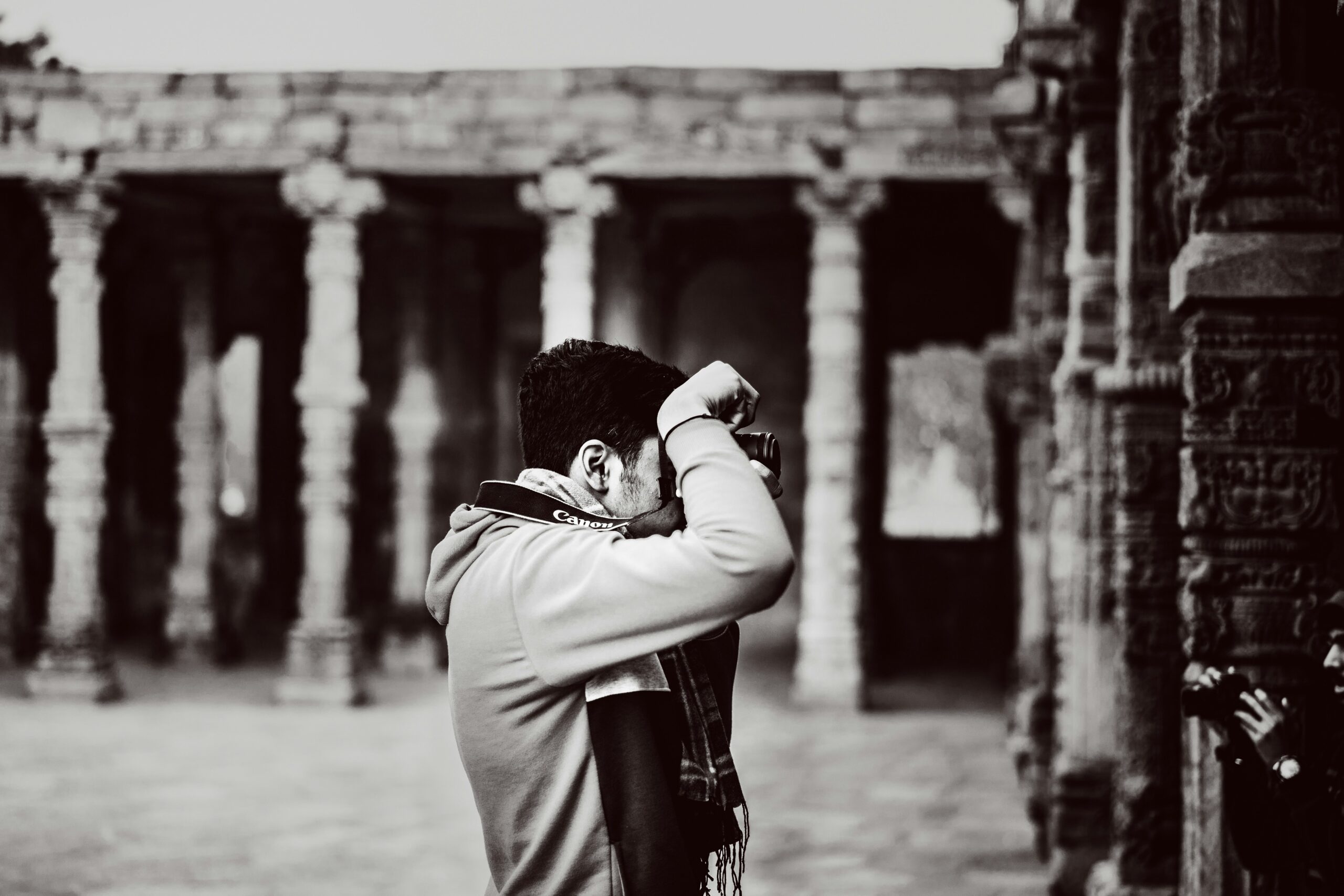
Photography and memory share a deep emotional bond because pictures do more than freeze time. They help people return to places, faces, feelings, and stories that may otherwise fade. A single photo can bring back a birthday party, a childhood home, a lost loved one, or a quiet moment that once felt ordinary. Because of this, photography and memory work together as a bridge between the past and the present. Moreover, photos help people understand who they were, who they love, and what moments shaped them. In a fast-moving world, pictures give people a simple way to hold on to emotion, identity, and connection.
Why Photography and Memory Are So Closely Linked
Photography and memory connect because the human brain often stores moments through visual details. When someone sees an old photo, the image can trigger sounds, smells, voices, and feelings from that same time. For example, a picture from a family picnic may bring back the warmth of the sun, the taste of homemade food, and the sound of laughter. Therefore, photos often act as emotional keys that unlock deeper memories.
In addition, pictures help people remember events with more clarity. Memory can change over time, but photos provide a visual record that supports recall. Although a picture does not capture every part of a moment, it gives the brain a strong starting point. As a result, photography helps people reconnect with personal stories in a direct and powerful way.
How Pictures Trigger Strong Emotions
Pictures often create strong emotions because they show people what words may not express. A photo of a grandparent’s smile, a child’s first step, or a wedding day can create joy, comfort, sadness, or longing. These emotions rise quickly because images reach the heart before the mind has time to explain them. Consequently, photography can feel immediate and personal.
Furthermore, emotional photography allows people to revisit meaningful relationships. When someone looks at a picture of a loved one, the image can bring back shared experiences and deep feelings. Even if years have passed, the photo keeps that connection alive. In this way, pictures and emotions work together to protect bonds that time cannot erase.
The Role of Photos in Preserving Personal Stories
Photos preserve personal stories by turning life events into visible records. They show where people have been, who stood beside them, and how their lives changed. For this reason, many families keep photo albums, framed portraits, and digital galleries. These collections become personal archives that help each generation understand its roots.
Moreover, photography and memory support storytelling across families. A child may look at an old photo and ask about the people in it. Then, a parent or grandparent can share the story behind the image. Because of that exchange, the photo becomes more than a picture. It becomes a doorway into family history, culture, and identity.
Why Old Photos Feel So Powerful
Old photos feel powerful because they carry both memory and time. They show people as they once were, places as they once looked, and moments that can never happen again in the same way. Therefore, an old photo often creates a mix of happiness and nostalgia. It reminds people of beauty, change, and loss at the same time.
Additionally, older pictures often feel more emotional because they become rare over time. A faded print from childhood or a black-and-white family portrait may hold special value because it cannot easily be replaced. As years pass, these photos gain emotional weight. They become keepsakes that connect people to the past in a simple but lasting way.
Digital Photography and Modern Memory Keeping
Digital photography has changed how people preserve memories. Today, smartphones allow people to capture everyday moments in seconds. Because of this, people now document more of their lives than ever before. A quick photo of a meal, a walk, a pet, or a quiet sunset can later become a meaningful reminder of a specific season in life.
However, digital photos can also become easy to overlook. Since people take so many pictures, important memories may get lost in crowded camera rolls or cloud folders. Therefore, it helps to organize, print, and revisit photos often. When people treat digital pictures with care, they can still protect emotion and memory in a lasting way.
The Emotional Value of Family Photography
Family photography holds strong emotional value because it captures connection. A family portrait shows more than faces. It reflects love, growth, change, and belonging. Over time, these images help family members remember shared milestones such as birthdays, graduations, holidays, reunions, and simple days at home. As a result, family photos become anchors for personal identity.
In addition, family pictures can bring comfort during difficult times. When people miss someone, a photo can help them feel close again. It may not replace the person or the moment, but it can preserve a sense of presence. For many people, this emotional power makes family photography one of the most meaningful forms of memory preservation.
How Photography Helps People Heal
Photography can support healing because it allows people to process emotions safely. After loss, change, or hardship, photos can help people reflect on what happened and what mattered. A picture may bring tears, but it can also bring gratitude. Therefore, photography often gives people a gentle way to face memories instead of avoiding them.
Furthermore, taking photos can help people stay present. When someone photographs nature, family, travel, or daily life, they pay closer attention to small details. This mindful act can reduce stress and increase appreciation. Because of that, photography does not only preserve past emotions. It can also create peace and meaning in the present.
The Connection Between Photography, Identity, and Emotion
Photography helps shape identity because people use pictures to understand their own lives. A collection of photos can show personal growth, changing style, important friendships, and major achievements. When people look back at these images, they often see how far they have come. Consequently, photos become part of how people define themselves.
At the same time, pictures can reveal emotional patterns. Someone may notice what they choose to photograph most often, such as family, nature, travel, work, or quiet moments. These choices say something about values and priorities. In this sense, photography and memory help people see not only what happened, but also what truly mattered.
Why Printed Photos Still Matter
Printed photos still matter because they create a physical connection to memory. A printed image can sit on a desk, hang on a wall, or rest inside a family album. Unlike digital files, printed photos live in everyday spaces. Therefore, they invite people to remember without opening a device or searching through folders.
Moreover, printed pictures often feel more permanent and personal. Holding a photo can make a memory feel real in a different way. The texture, size, and aging of the print add meaning over time. Although digital storage is useful, printed photos give people a tangible way to protect the emotional power of photographs.
Using Photography to Create More Meaningful Memories
People can use photography to create more meaningful memories by taking pictures with intention. Instead of only capturing perfect poses, they can photograph honest moments, small details, and real emotions. A messy kitchen during a family meal or a quiet walk with a friend may become more meaningful than a staged image. As a result, natural photos often carry stronger emotional truth.
Also, people can add context to their photos by writing dates, names, locations, and short notes. This simple habit makes future memories clearer. Years later, those details can help families understand the full story behind each image. Because of this, photography becomes not just an act of taking pictures, but an act of preserving meaning.
The Lasting Power of Pictures and Emotions
The lasting power of pictures and emotions comes from their ability to keep important moments alive. A photo can hold joy, love, grief, pride, and hope all at once. Even when life changes, the image remains as a reminder of what was felt and experienced. Therefore, photography gives memory a visible form.
Ultimately, photography and memory help people stay connected to their stories. Pictures remind people of where they came from, who they loved, and what moments shaped their hearts. In addition, they help future generations understand the people and emotions behind family history. For this reason, photography remains one of the most powerful ways to preserve life’s most meaningful experiences.