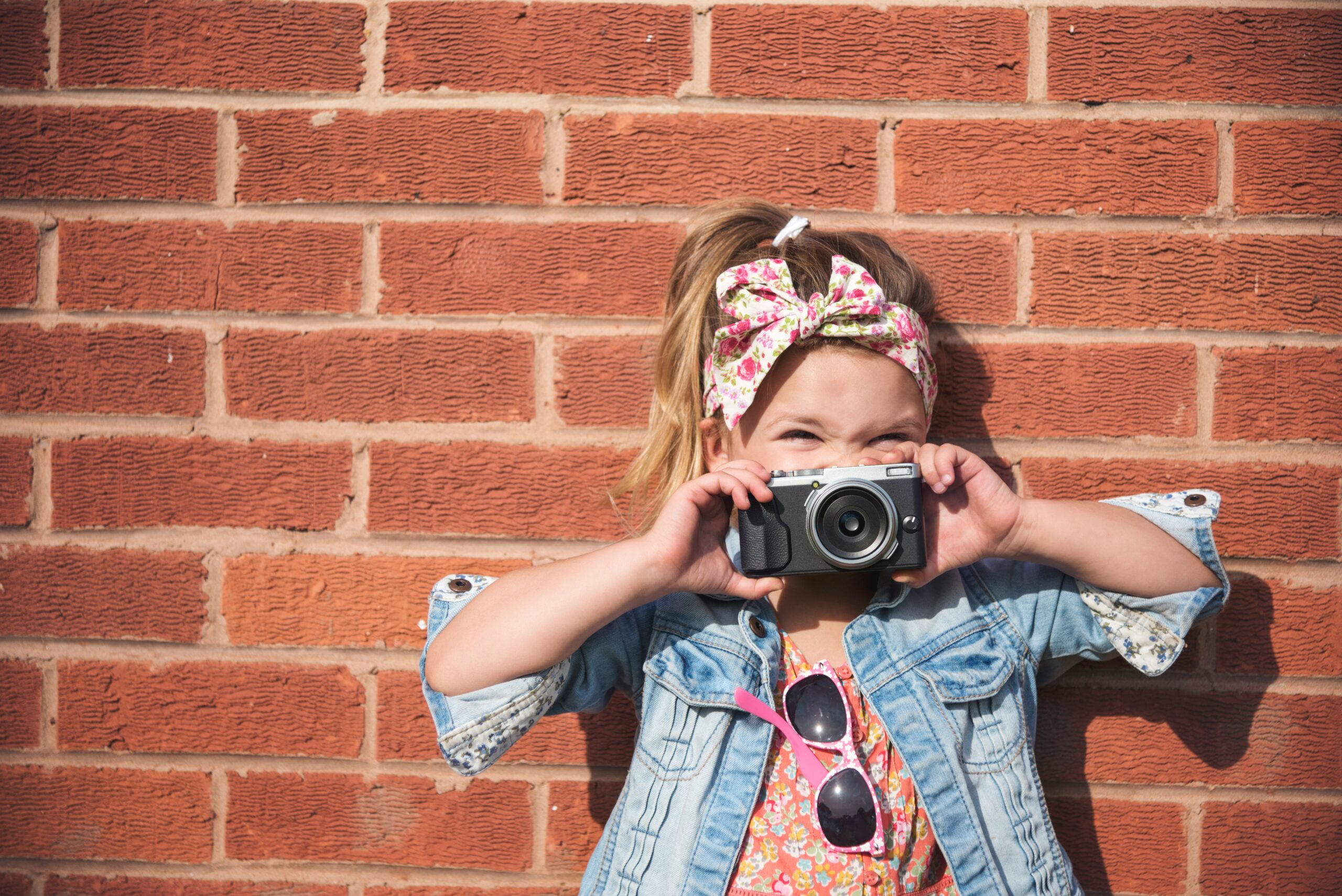
Photography for social media plays a significant role in how people see your brand, business, or personal profile. Clear, eye-catching images help you stand out in crowded feeds. Good photos also build trust and keep people engaged. You do not need expensive gear or advanced skills to improve your results. With the right approach, anyone can create strong visuals that support their online presence.
This article explains how to use photography on social media in a simple, practical way. The focus is on clarity, consistency, and wise choices that work across platforms.
Why Photography Matters on Social Media
Social media is a visual space. People scroll fast and stop only when something catches their eye. Strong photography helps you grab attention in seconds. It also helps tell your story without using many words.
Photography for social media supports brand identity. When your images look consistent, people begin to recognize your content. Over time, this builds familiarity and trust. Photos also help increase likes, shares, and comments, which improves reach.
Poor-quality images can harm your message. Blurry, dark, or cluttered photos often get ignored. Clear and simple visuals make your content easier to understand and enjoy.
Understanding Your Visual Style
Before taking photos, think about the look you want to share. Your visual style should match your purpose and audience. A fitness brand may use bright and active images. A local cafe may use warm and cozy photos.
Choose a few colors that appear often in your images. This can include backgrounds, props, or clothing. Keep lighting similar across posts when possible. This helps your feed look organized and professional.
Photography for social media works best when your images feel connected. A clear style helps people know what to expect from you.
Choosing the Right Equipment
You do not need a professional camera to start. Most smartphones today can take great photos. The key is knowing how to use what you have.
Clean your camera lens before shooting. This simple step improves image quality right away. Use the back camera on your phone since it usually has better quality than the front camera.
If you want to upgrade later, an entry-level camera can help. Still, skill and lighting matter more than gear in social media photography.
Using Natural Light the Right Way
Light is one of the most essential parts of photography. Natural light is free and easy to use. Shoot near a window or outdoors when possible. Morning and late afternoon light often looks soft and flattering.
Avoid harsh midday sun. It creates strong shadows and bright spots. If you must shoot at that time, look for shade.
Turn off indoor lights when using natural light. Mixed lighting can change colors and make photos look uneven. Good lighting improves clarity and mood in social media photography.
Creating Simple and Clean Backgrounds
Busy backgrounds distract from your main subject. Choose clean and simple backgrounds to keep focus where it belongs.
A plain wall, table, or fabric works well. You can also use natural elements, such as grass or the sky, as a background. Make sure the background does not clash with your subject.
Move around and test angles before shooting. A slight shift can remove unwanted objects from the frame. Simple backgrounds make social media photography look more polished.
Framing and Composition Basics
Composition helps guide the viewer’s eye. One easy method is the rule of thirds. Imagine your frame divided into nine equal parts. Place your subject slightly off-center for a natural look.
Leave some space around your subject. This helps your image feel open and balanced. Avoid cutting off essential parts, such as hands or products.
Try shooting from different angles. High, low, and side angles can change how a photo feels. Good composition improves the impact of photography for social media.
Editing Photos Without Overdoing It
Editing helps enhance your photos, but it should feel natural. Adjust brightness, contrast, and sharpness slightly. Fix colors so they look real and clean.
Avoid heavy filters that significantly alter skin tones or colors. Consistent light edits help keep your feed balanced.
Use simple editing apps that are easy to learn. Save your favorite settings to keep your style consistent. Light editing supports strong photography on social media without making it look fake.
Adapting Photos for Different Platforms
Each platform has its own image needs. Square images work well on Instagram. Vertical images perform better on Stories and short videos. Horizontal images fit platforms like Facebook and LinkedIn.
Check recommended image sizes before posting. This helps prevent cropping or quality loss. Always preview your post before sharing.
Photography for social media should fit the platform while keeping your style consistent. Small adjustments can improve performance.
Planning Content in Advance
Planning helps you stay consistent and reduces stress. Create a short list of photo ideas each week. Batch shoot several images in one session.
Keep a content folder on your phone or computer. Organize images by date or theme. This makes posting easier and faster.
A simple plan helps photography for social media support your long term goals.
Measuring What Works Best
Pay attention to which photos perform well. Look at likes, comments, and shares. Notice patterns in lighting, colors, or subjects.
Use this feedback to improve future photos. Do more of what works and less of what does not. Over time, your skills will grow.
Photography for social media is a learning process. Consistent effort leads to steady improvement.
Final Thoughts
Photography for social media does not need to be complicated. Focus on clear images, good light, and a simple style. Use the tools you have and improve step by step.
Strong visuals help you connect with your audience and build trust. With practice and planning, your photos can support a stronger and more confident online presence.