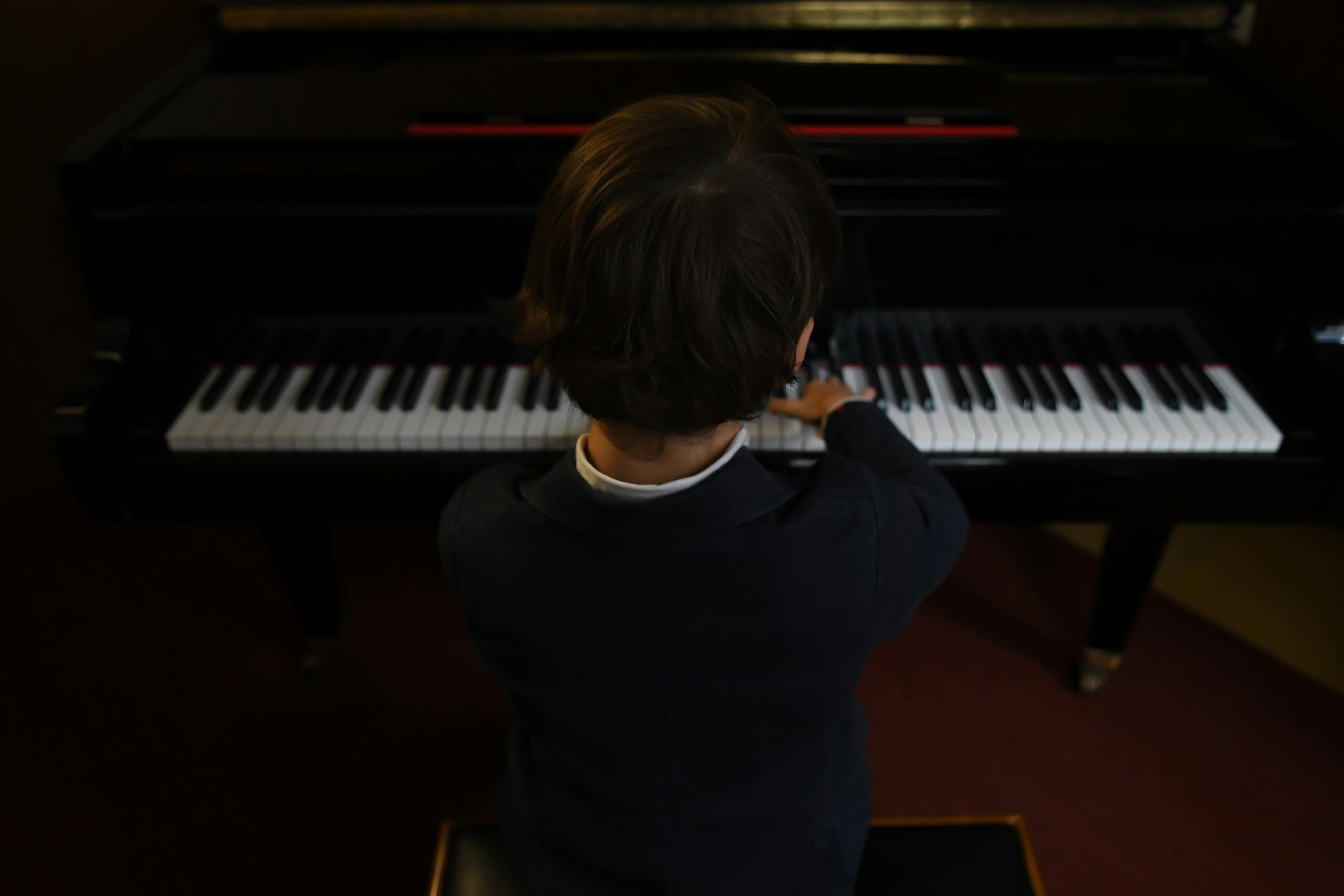
Music education plays a decisive role in child brain development because it shapes how young minds grow, learn, and understand the world. When children interact with rhythm, melody, and movement, their brains respond in ways that strengthen memory, attention, and emotional skills. This direct connection between music education and child brain development helps improve cognitive flexibility and learning capacity at an early age. Because of this, experts continue to highlight how music helps children become confident thinkers who can solve problems, express themselves, and adapt to new challenges with ease. In a time when learning demands are rising, music education offers a proven path that supports long-term brain growth.
How Music Education Builds Strong Neural Connections in Children
Music education boosts neural activity by engaging multiple parts of the brain simultaneously. When children sing, count beats, or listen for pitch changes, their brains engage various regions. As a result, these regions form strong pathways that support learning in school and daily life. This early stimulation gives children an advantage, since the brain responds quickly to rich experiences during early development. Because children learn through repetition and play, music becomes a natural tool for shaping stronger cognitive skills.
Furthermore, music education encourages children to focus, listen, and think with intention. When they play an instrument, they must coordinate movements, read patterns, and respond to sound cues. These steps strengthen both short-term and long-term memory. They also help children grow more comfortable with challenges, since they see steady improvement through practice. As these skills improve, children experience greater confidence and better academic performance, reinforcing the idea that music and brain development work hand in hand.
Why Rhythm and Movement Support Child Brain Development
Rhythm and movement allow young learners to process information through the body as well as the mind. When children clap, sway, or tap to a beat, they improve coordination and sensory skills. These actions activate motor areas of the brain that are closely connected to language and math centers. Because of this link, children who practice rhythm tend to learn patterns faster and understand sequences with greater accuracy. This growth supports essential learning skills that they will rely on throughout life.
At the same time, the physical side of music education helps keep children engaged. They feel free to explore sounds and movements in a way that feels fun, safe, and creative. This positive energy helps the brain form emotional bonds with learning. As a result, children stay motivated and more open to new experiences. When kids enjoy the learning process, they build healthy habits that strengthen their mental development.
How Music Education Enhances Language and Communication Skills
Music and language share deep connections in the brain, which means music education naturally supports speech development. Children who sing or practice melodic patterns learn to control pitch, volume, and rhythm in their voices. These skills help them speak more clearly and understand the sound structure of words. Because many songs repeat phrases and introduce new vocabulary, young learners build stronger listening and communication abilities. This support becomes invaluable during early childhood, when language skills grow rapidly.
Music education also strengthens the brain’s ability to process sound details. Children learn to detect differences in tone, timing, and emotion, which improves their ability to follow conversations and respond with confidence. As they grow more aware of vocal cues, they also develop empathy and emotional understanding. These strengths help them express themselves better in social settings, which supports long-term communication success.
Why Creativity and Emotional Growth Expand Through Music Education
Music education provides a safe space for children to explore feelings and ideas through sound. Because music encourages self-expression, children learn to communicate emotions they may not yet have words for. This experience helps them build emotional intelligence, a key part of healthy brain development. When children write simple songs or improvise rhythms, they practice decision-making and creative thinking. These skills support flexible thinking, helping them solve problems across all areas of life.
Additionally, music creates a sense of connection. Children often work together during musical activities, which teaches them cooperation, patience, and understanding. These experiences improve social behavior and help children build meaningful friendships. When they feel supported by peers, their emotional health grows stronger. As a result, children develop confidence that guides them through school and future challenges.
How Music Education Improves Memory, Attention, and Learning Skills
Music requires children to focus on many details at once, which strengthens attention control. When kids follow a beat or play a melody, they must listen closely and react quickly. Because of this constant practice, the brain becomes more skilled at concentrating for extended periods. Improved focus helps children in subjects like reading, science, and math, where attention to detail is essential. This growth shows how music education directly supports children’s brain development in academic settings.
Memory also improves through musical practice. Children remember lyrics, note patterns, and timing cues while they participate in songs. This repetition strengthens memory pathways and supports long-term learning. The more music they experience, the more these skills expand. These improvements allow children to recall information more quickly, organize their thoughts more clearly, and understand new ideas more easily. Because these benefits last throughout life, early exposure to music becomes a powerful investment in a child’s future.
Why Learning an Instrument Supports Advanced Brain Development
Playing an instrument challenges the brain in unique and powerful ways. Children must coordinate both hands, track musical notes, and listen for accuracy simultaneously. This multitasking builds strong executive-function skills, which support planning, problem-solving, and self-control. These skills help children manage schoolwork, understand instructions, and stay organized. Experts often compare instrumental training to a complete workout for the brain, since it strengthens so many areas at once.
Furthermore, mastering an instrument builds resilience. Because progress takes time, children learn patience and discipline. They begin to appreciate the value of steady improvement, which supports emotional growth and healthy self-esteem. When they reach milestones, such as playing a full song, they feel a lasting sense of accomplishment. This confidence motivates them to take on new challenges, both in music and in everyday life.
How Music Education Builds Social Skills and Cooperation
Music often brings children together, creating opportunities for teamwork and shared joy. Group activities like singing circles, rhythm games, or beginner ensembles teach kids how to listen to others and work toward a common goal. As children practice together, they learn respect, communication, and patience. These skills support healthy social development, which strengthens the brain’s emotional regions. This sense of connection encourages a positive school experience and builds trust within peer groups.
Performing with others also teaches responsibility. Children realize that their participation affects the entire group’s success, so they learn to stay focused and prepared. This understanding supports accountability, strong work habits, and academic growth as children apply these skills in both the classroom and learning environments. When children see what they can achieve as a team, they feel motivated to continue learning and contributing.