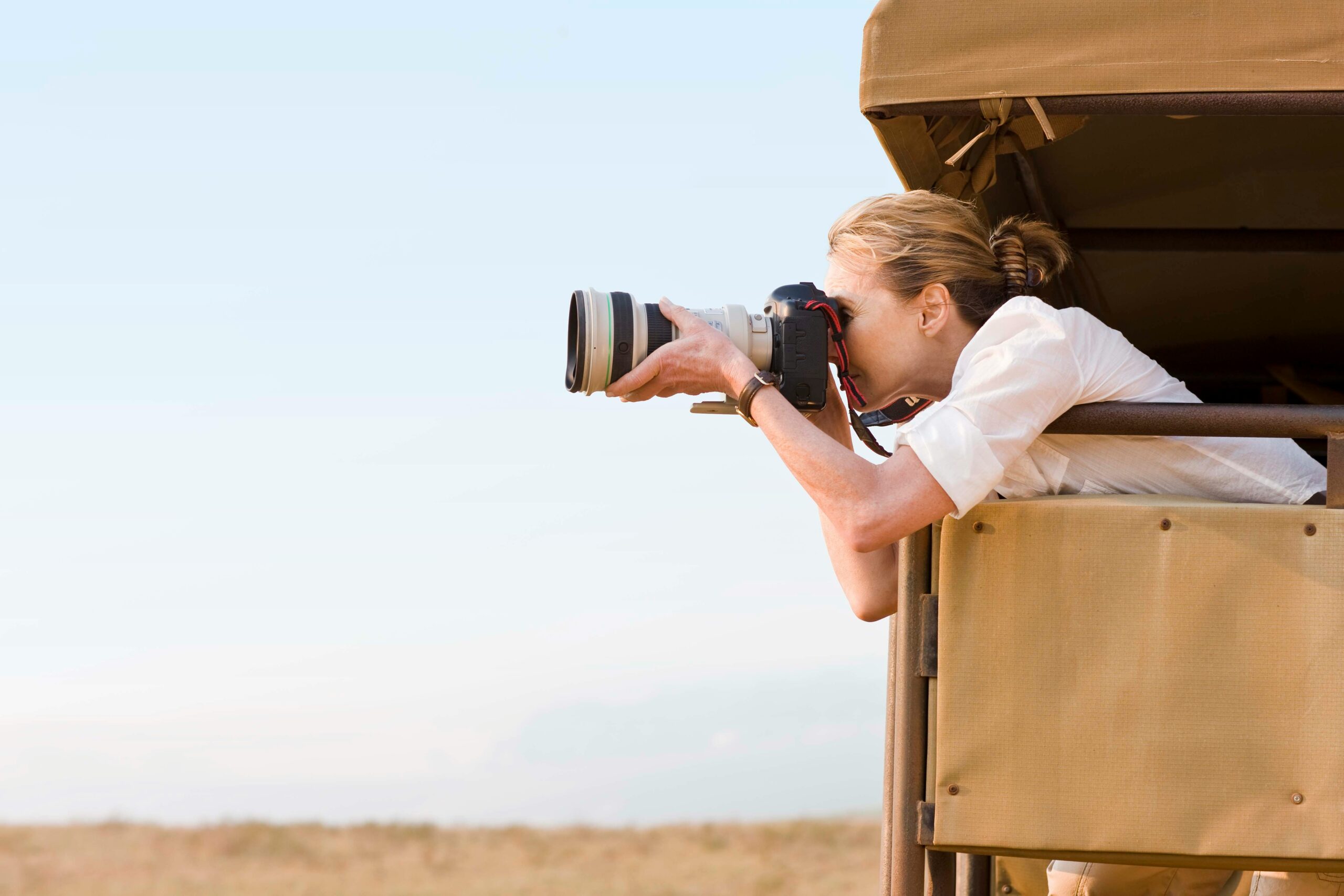
Nature tells a story every moment. When you step into the wild with your camera, you enter a world of motion, color, and quiet surprises. Because of this, you need strong wildlife photography tips that guide your choices and sharpen your eye. You can grow your skills when you understand how light behaves, how animals react, and how your own patience shapes the moment. As you explore these ideas, you discover that nature rewards those who observe with intention and act with care.
Understanding Your Environment With Confidence
The environment shapes every frame, so you benefit when you learn to read it with attention. Forests, beaches, grasslands, and mountains all present their own challenges, and each location changes throughout the day. When you step into a natural space, look closely at shadows, wind, and animal movement. Although conditions shift quickly, you can stay ready by moving slowly and listening more than you speak.
Animals respond well to a calm presence. You keep your movements smooth and avoid sudden gestures that could disturb wildlife. Since you want to capture genuine behavior, you create space between yourself and the subject. This also protects both you and the animal. With this mindset, you build trust with the landscape and feel more connected to your work.
Mastering Natural Light in the Wild
Light shapes emotion in photography, and wildlife scenes rely on gentle, honest lighting. Morning and evening often offer softer light that flatters feathers, fur, and foliage. Even though harsh midday light can feel challenging, you can still work with it by seeking shade or adjusting your angle. You create variety when you stay open to shifting brightness and color.
Instead of chasing perfect conditions, learn to adapt. When clouds move across the sun, the atmosphere softens naturally. When the sky clears again, the scene regains bold contrast. You gain stronger creative instincts by noticing how these changes affect your subject. Successful wildlife photography tips often lead you back to this idea because light is your most important partner on every outing.
Developing a Smooth Approach to Wildlife Behavior
Animals communicate with subtle signals. You understand more of their story when you watch quietly before you lift your camera. Birds tilt their heads, foxes pause before they leap, and deer listen for clues around them. While these details may seem small, they guide your timing and give your images a sense of life.
You increase your success when you blend patience with observation. Rather than rushing, you stay still until an honest moment appears. Many wildlife photography tips point toward patience because it shapes your ability to capture emotion. Your subject moves naturally when it does not feel pressured, and your images gain a sense of authenticity. As you continue practicing, you discover that waiting builds confidence as much as action does.
Creating Strong Focus and Sharp Detail
Crisp detail brings wildlife images to life. When you frame your subject, you place the eyes in sharp focus because they create a connection with viewers. You guide attention by choosing backgrounds with gentle texture or soft color. This keeps the focus on the animal without distractions.
Although movement in the wild can feel unpredictable, you can prepare by staying light on your feet. You hold your camera steady, breathe slowly, and follow the scene’s rhythm. Since the wild rarely stands still, you learn to match its pace without forcing anything. These habits strengthen your confidence and elevate the emotional clarity of your photographs.
Using Composition to Capture Nature’s Emotion
Composition shapes how viewers feel when they look at your work. You create flow by placing your subject off-centeroff-center, which often guides the eye through the scene. You search for lines, shapes, or natural frames such as branches or tall grass. When you compose with purpose, your images tell a clearer story and invite deeper curiosity.
Even though wildlife can surprise you, you can still think ahead. When you expect a certain movement, you shift your position before the moment happens. This gives you a stronger angle and a cleaner layout. As your instincts improve, your images gain depth and harmony without feeling forced.
Moving Through the Wild With Respect and Care
Respect forms the heart of all wildlife photography tips. When you treat the landscape with care, you protect the subjects you love to photograph. You stay aware of nesting areas, resting animals, and sensitive habitats. Although you feel excited to capture striking scenes, you avoid disturbing wildlife for the sake of an image.
Responsibility also brings more meaningful experiences. When you walk gently through a natural space, you notice details you may otherwise miss. You breathe in the moment, connect with the environment, and create with gratitude. Because of this, your images reflect your respect for the natural world.
Building Your Creative Voice With Practice
Your creative voice grows as you explore new techniques, new locations, and new styles. You learn from each attempt, and you improve when you study your results with honesty. Since wildlife photography thrives on curiosity, you can experiment. You may crouch lower, shift to the side, or explore a different path to see how the light falls.
Growth never stops. You gain confidence each time you step into the wild, and your connection to nature deepens with every image. These wildlife photography tips guide your craft, although your voice develops through your own exploration. As long as you stay open to learning, nature continues to offer inspiration.
Bringing Nature’s Beauty to Life
Wildlife photography invites you to slow down, breathe deeply, and truly see the world around you. When you step into nature with skill, respect, and intention, you unlock scenes filled with emotion and wonder. Because of this, the wild becomes more than your subject. It becomes your partner in creativity, and together you create images that honor its beauty.